
Ahead of the 81st UN General Assembly, rights advocates warn that discrimination is increasingly being repackaged as culture, religion, family protection and national sovereignty
By Chioma Vivian James
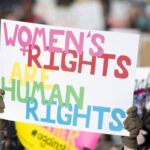
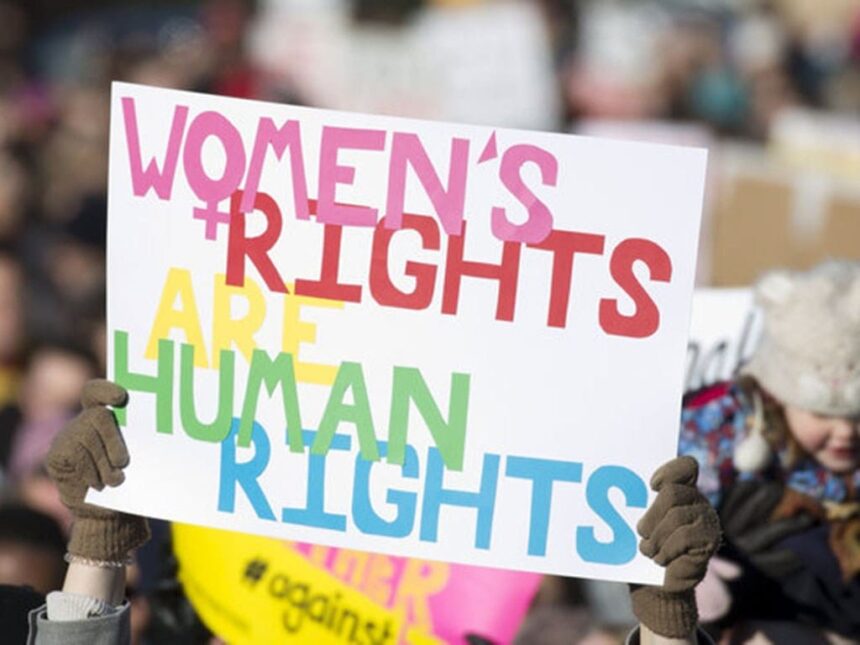
As governments and world leaders prepare for the 81st United Nations General Assembly, human rights advocates are sounding the alarm over a growing challenge to women’s rights — one that is increasingly being framed not as opposition to equality, but as a defence of family values, culture, religion and national sovereignty.
At a recent SHE & Rights session, experts warned that decades of progress on gender equality, bodily autonomy, reproductive health and women’s rights are facing renewed pressure at a time when the world has only 52 months left to accelerate progress towards the Sustainable Development Goals.
According to the panellists, some arguments presented as efforts to preserve the family or protect cultural and religious traditions can, in practice, reinforce discriminatory laws and social systems that limit the rights and choices of women and girls.
They identified issues including restrictions on reproductive choices, child marriage, female genital mutilation, unequal inheritance rights and discriminatory provisions within marriage as areas where the language of tradition and family protection can sometimes be used to justify unequal treatment.
Dr Robert Eno, Registrar of the African Court on Human and Peoples’ Rights, illustrated the concern with examples of laws that have existed, or continue to exist, in some jurisdictions.
He cited provisions under which women seeking no-fault divorce could be required to compensate their husbands, as well as inheritance systems in which daughters receive smaller shares of family property than sons.
Such examples, he noted, raise fundamental questions about the point at which cultural, religious or traditional practices conflict with the principle of equal human dignity and rights.
The discussion also examined the growing invocation of national sovereignty in debates over human rights.
While acknowledging the importance of sovereignty, tradition, culture and religion, Dr Eno stressed that these principles should not become justification for discrimination or violations of human dignity.
The message was particularly significant as countries prepare to engage in another round of international discussions on development, human rights and gender equality at the United Nations.
For advocates, the challenge is not to dismiss family, culture or religion, but to ensure that these institutions and values are interpreted in ways that protect the rights and dignity of every member of society.
Fatou Bantou Salah of the Initiative for Strategic Litigation in Africa called for what she described as a “Pause for Purpose” in relation to the African Union Convention on Ending Violence Against Women and Girls.
She advocated independent legal scrutiny, broader stakeholder consultation and careful comparison of the proposed framework with existing African human rights standards before further ratification.
Her position reflects a wider call for stronger accountability mechanisms and meaningful participation by civil society and affected communities in the development and implementation of laws designed to protect women and girls.
For Samah Hadid of Musawah, the struggle also extends into religious and cultural spaces.
She argued that human rights advocates must engage more actively with religious and cultural narratives rather than leaving those spaces to voices that may use them to reinforce patriarchal control.
The debate, therefore, is not simply about legislation. It is also about who gets to define family, culture, morality and religious values — and whose rights are protected within those definitions.
Vimbai Kapurura of Girls Not Brides and Women Unlimited Eswatini similarly stressed that progress should not be measured merely by the number of international treaties adopted or national commitments announced.
The real test, she argued, is what happens in the daily lives of women and girls.
Can girls remain in school rather than being forced into early marriage?
Can women access healthcare without stigma or discrimination?
Can survivors of violence report abuse safely and obtain justice?
Do women enjoy equal rights to own, inherit and control property?
And can women participate fully in decisions that affect their families, communities and societies?
These questions bring the global debate over women’s rights down to its most practical level: the lived experience of women and girls.
The advocates’ message ahead of the UN General Assembly is therefore clear: the family should be a place where rights begin, not where inequality is legitimised.
Likewise, national sovereignty should strengthen democratic self-determination and accountable governance, rather than provide a shield for discriminatory practices.
As the international community enters another critical phase of the Sustainable Development Goals, the debate over women’s rights is increasingly becoming a debate over whose interpretation of family, culture, religion and sovereignty will shape the future.
For millions of women and girls, the outcome will not be measured in diplomatic statements or treaty documents alone, but in whether they can live with equal rights, make decisions about their own lives, access healthcare, inherit property, remain free from violence and participate equally in society.