
PRESIDENT TINUBU ESTABLISHES EBOLA TASK FORCE, APPROVES N10 BILLION TO STRENGTHEN NATIONAL HEALTH SECURITY
Error: Contact form not found.
Chioma Vivian James
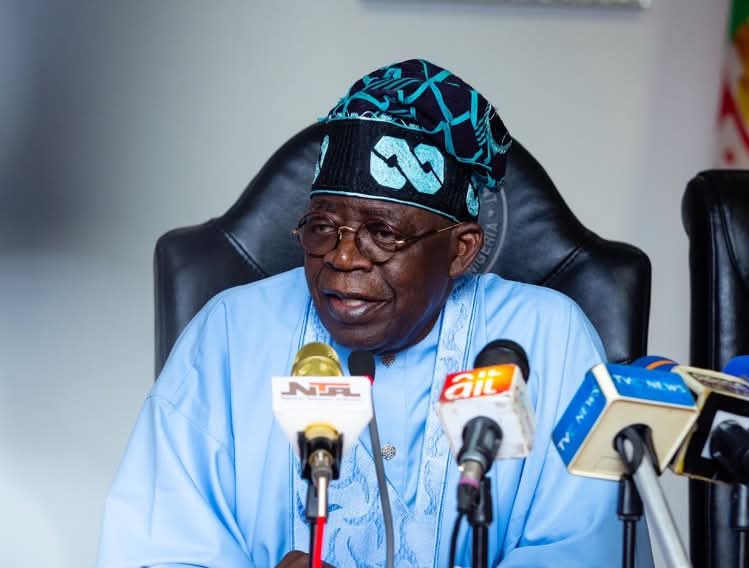
In a decisive move to safeguard Nigeria from emerging public health threats, President Bola Ahmed Tinubu has approved the establishment of a Presidential Task Force on Ebola Virus Disease Preparedness and Emerging Public Health Threats, alongside the immediate release of N10 billion in emergency intervention funding.
The strategic intervention is aimed at strengthening the operational capacity of the National Centre for Disease Control and Prevention (NCDC) and enhancing the country’s readiness to prevent, detect, and respond to potential outbreaks of Ebola and other infectious diseases.
The Presidential Task Force, chaired by the Chief of Staff to the President, Rt. Hon. Femi Gbajabiamila, will comprise representatives from key Ministries, Departments and Agencies (MDAs), as well as state governments, ensuring a coordinated national response to evolving health risks.
The President’s directive comes amid renewed concerns over the resurgence of Ebola cases in the Democratic Republic of Congo (DRC) and Uganda, underscoring the need for heightened vigilance across Nigeria’s borders and transportation hubs.
President Tinubu’s approval followed a high-level stakeholders’ meeting convened by the Chief of Staff to assess the nation’s preparedness and develop proactive measures against the possible importation of the deadly virus into Nigeria.
Participants at the meeting included officials from the Ministry of Interior, the Federal Airports Authority of Nigeria (FAAN), the Nigeria Immigration Service (NIS), the Nigerian Civil Aviation Authority (NCAA), the Lagos State Government, and other critical stakeholders in public health, security, and aviation management.
As part of the enhanced preparedness framework, the President directed all states hosting international airports and major border corridors to submit detailed response plans, funding requirements, and intervention proposals for harmonised implementation across the federation.
Key measures approved under the initiative include intensified passenger screening at international airports, strengthened temperature monitoring systems, enhanced crowd-control procedures, and increased surveillance of travellers arriving through high-risk airline routes, including Air Uganda, RwandAir, Air Tanzania, Air Angola, Kenya Airways, and Ethiopian Airlines.
The government will also immediately activate referral and isolation centres at the international airports in Lagos and Abuja, with similar facilities to be established at other airports nationwide. In addition, QR code-based pre-arrival health declaration systems will become mandatory for passengers arriving from or transiting through designated high-risk countries.
To further reduce transmission risks, airport authorities have been directed to intensify the disinfection of departure halls, cargo terminals, baggage handling areas, and other critical airport facilities.
President Tinubu also instructed the advisory group to collaborate closely with security agencies, diplomatic missions, and aviation regulators to review and implement appropriate measures concerning flights originating from affected regions. This includes the possibility of designating specific terminals for high-risk flights and adjusting flight schedules to minimise interaction between potentially exposed passengers and the general travelling public.
The latest intervention reflects the administration’s commitment to proactive governance, national health security, and the protection of citizens from cross-border disease threats. By acting ahead of any confirmed outbreak within the country, the Federal Government aims to strengthen public confidence and ensure that Nigeria remains prepared to confront any emerging health emergency.
With lessons learned from previous disease outbreaks, particularly the successful containment of Ebola in 2014, the Tinubu administration is positioning Nigeria to respond swiftly and effectively to any potential threat, reinforcing the nation’s resilience and readiness in an increasingly interconnected world.