

Government Targets Antibiotic Abuse, Unsafe Livestock Practices and Poor Hygiene Ahead of December 6–8 Global Conference
By Chioma Vivian James | Abuja
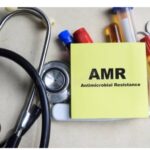
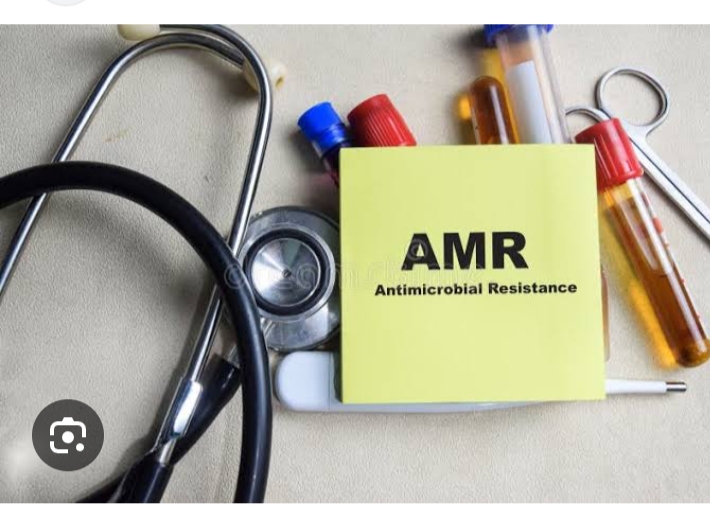
Nigeria is stepping up its campaign against antimicrobial resistance (AMR), with five ministries and key health sector stakeholders advocating responsible antibiotic use, stronger pharmaceutical regulation, improved environmental sanitation and safer livestock production ahead of a high-level global conference scheduled for December 6–8, 2026.
At a media briefing ahead of the conference, government representatives stressed that the growing threat of drug-resistant infections requires coordinated action across human health, animal health, agriculture and the environment, warning that the misuse of life-saving medicines could undermine the effectiveness of treatments used to combat infections.
The officials called on Nigerians to abandon self-medication and indiscriminate antibiotic use, emphasising that preventing infections, improving access to quality medicines and strengthening public awareness must go hand in hand in tackling the challenge.
Antibiotic Abuse: A Threat Everyone Must Confront
The briefing highlighted the role individuals play in the fight against AMR, with officials warning that inappropriate antibiotic use, incorrect dosing and failure to follow prescribed treatment instructions can contribute to the development and spread of drug resistance.
Nigerians were urged not to use antibiotics for every cough or catarrh but to seek professional medical advice before taking the medicines.
The officials also advised patients to follow their healthcare providers’ instructions on dosage and treatment duration rather than independently changing or stopping treatment.
The message was unmistakable: combating AMR is not solely the responsibility of government or healthcare professionals. Individuals, families and communities must also embrace responsible medicine use.
Taking the AMR Message to the Grassroots
Recognising that scientific explanations alone may not adequately reach diverse communities, the briefing emphasised the need for relatable storytelling, local-language communication and community engagement.
Officials supported the documentation of real-life experiences showing how antimicrobial resistance affects patients, how health workers respond to resistant infections and how individuals can help prevent the problem.
Such stories, they noted, should reflect the realities of Nigerian communities and remain part of public awareness efforts before, during and after the conference.
The discussion also highlighted a critical policy dilemma: while indiscriminate antibiotic use accelerates resistance, people who genuinely need essential medicines must not be denied access.
The conference is therefore expected to provide an opportunity to examine policies that promote responsible antimicrobial use while safeguarding access to effective treatment.
Prevention: The First Line of Defence
Government representatives stressed that preventing infections is fundamental to reducing the need for antibiotics.
Vaccination, handwashing, improved infection prevention and control in healthcare facilities, and stronger laboratory diagnostic services were identified as important components of the national response.
Officials also emphasised the need to strengthen laboratory capacity and train healthcare workers to improve the identification of infections and guide appropriate treatment.
On pharmaceutical regulation, the briefing highlighted efforts to tackle counterfeit and substandard medicines, improve the distribution of pharmaceutical products and strengthen oversight of medicine vendors.
The roles of the National Agency for Food and Drug Administration and Control (NAFDAC) and the Pharmacists Council of Nigeria (PCN) were cited as important to ensuring that medicines available to Nigerians meet appropriate quality and safety standards.
However, officials acknowledged that AMR is a longstanding challenge requiring sustained investment, effective regulation, stronger health systems and consistent implementation of government policies.
Environment: An Essential Front in the AMR Battle
The Minister of Environment underscored the importance of environmental hygiene in preventing infections and reducing the need for antimicrobial medicines.
He called for cleaner surroundings and improved sanitation, explaining that preventing the spread of infectious diseases can reduce the burden on healthcare facilities and limit the circumstances in which antimicrobial treatment becomes necessary.
His remarks reinforced the One Health approach, which recognises the interconnectedness of human, animal and environmental health.
The approach requires governments and communities to address the environmental conditions that encourage disease transmission while strengthening preventive healthcare and public awareness.
Livestock Sector Targets Irresponsible Antibiotic Use
The livestock sector also pledged to intensify efforts to educate farmers on the responsible use of antibiotics in poultry and other animal production.
A representative of the livestock ministry urged farmers to prioritise vaccination, hygiene, biosecurity and appropriate animal nutrition rather than routinely relying on antibiotics to prevent disease or promote animal growth.
Where antibiotics are necessary, farmers were advised to use them under appropriate veterinary guidance and observe prescribed withdrawal periods before animals or animal products enter the food supply.
Failure to follow these precautions can contribute to antimicrobial resistance and expose consumers to avoidable health risks.
The government also highlighted the role of agricultural extension agents in educating farmers, including operators of backyard poultry and small-scale livestock businesses.
The message to farmers was clear: responsible antimicrobial use is essential to protecting animal health, safeguarding food safety and reducing risks to human health.
Nigeria Mobilises for Global Action
The briefing underscored Nigeria’s commitment to a coordinated, whole-of-government and whole-of-society response to AMR.
Officials highlighted the country’s National Action Plan on AMR and the contributions of academic and public health institutions to strengthening expertise and developing responses to the challenge.
They acknowledged, however, that translating policies into measurable results requires sustainable financing, effective regulation, improved diagnostic capacity and stronger collaboration across sectors.
The December 6–8 conference is expected to bring together international stakeholders to examine practical strategies for addressing antimicrobial resistance while ensuring that essential medicines remain accessible to those who need them.
Journalists were urged to sustain public engagement by translating complex scientific issues into accessible stories that Nigerians can understand and act upon.
Officials also assured media participants that communication channels would remain open to provide further information and respond to questions relating to the conference.
Beyond the Conference: The Real Test Begins
For Nigeria, hosting a global conference is an opportunity to strengthen international cooperation, but the lasting impact will depend on what follows.
Progress will require effective implementation of policies, increased public awareness, improved infection prevention, access to quality medicines and responsible antimicrobial use in hospitals, homes and farms.
From pharmaceutical markets to livestock facilities and environmental sanitation, every sector has a role to play in containing the threat.
As Nigeria prepares to host the global gathering from December 6–8, 2026, one message stands out: the fight against antimicrobial resistance cannot be won by government alone. It demands sustained investment, coordinated action and responsible choices by every member of society.