
By Chioma Vivian James
Nigeria’s security challenges may run deeper than armed conflict, banditry and terrorism. At the National Security Summit organised by the Nigeria Union of Journalists (NUJ) in partnership with the Department of State Services (DSS), media leaders and security experts identified a new set of threats quietly undermining national stability, malnutrition, drug abuse and vulnerabilities within the nation’s information space.
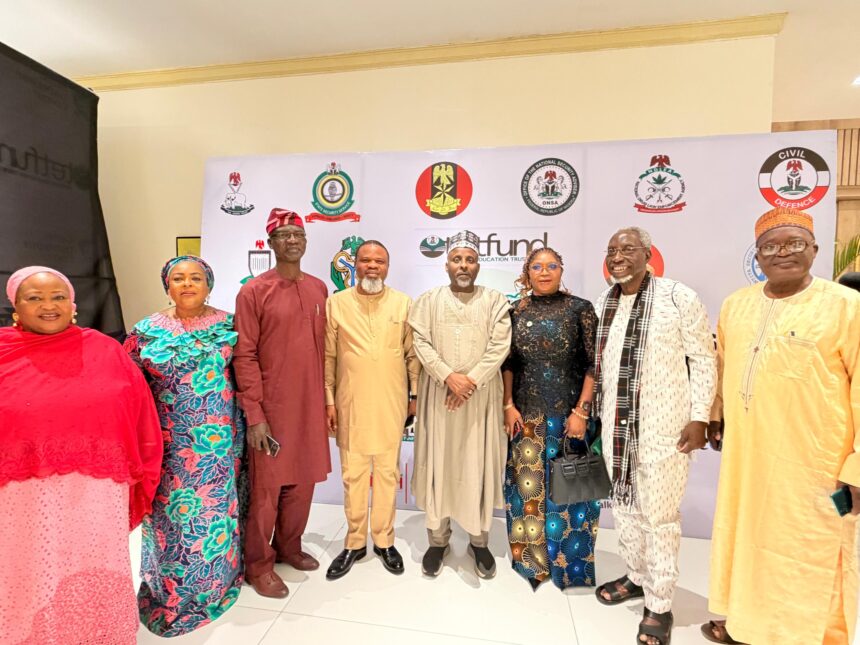
The two-day summit in Abuja, themed “Media and Security Agencies as Partners in Nation Building,” provided a rare platform for journalists, intelligence officials and former military spokespersons to examine the evolving nature of insecurity and the critical role of responsible journalism in addressing it.
Delivering a keynote intervention that sparked considerable discussion, NUJ National President, Comrade Alhassan Yahaya Abdullahi, argued that insecurity can no longer be viewed solely through the lens of armed violence. He warned that widespread malnutrition and escalating drug abuse among young Nigerians are creating conditions that threaten social stability, economic productivity and long-term national development.
According to Abdullahi, children affected by malnutrition often suffer impaired physical and cognitive development, limiting their future potential and creating broader societal consequences. Equally troubling, he noted, is the growing prevalence of drug addiction among youths, a trend increasingly linked to crime, social unrest and insecurity.
Beyond these concerns, the NUJ president raised questions about the increasing presence of foreign actors within Nigeria’s media ecosystem, calling for closer scrutiny and policy attention to safeguard national interests.
Throughout the summit, speakers repeatedly emphasised that sustainable security requires cooperation, communication and trust between the media and security agencies. Rather than viewing journalists as adversaries, participants argued that security institutions must recognise the media as strategic partners capable of shaping public understanding and strengthening national resilience.
President of the International Press Institute (IPI), Musikilu Mojeed, championed dialogue as the most effective tool for resolving disputes between government agencies and media organisations. He maintained that misunderstandings are inevitable in any democracy but should be addressed through engagement, institutional processes and mutual respect rather than intimidation or coercion.
Former military spokespersons Maj.-Gen. Chris Olukolade (rtd.) and Commodore Kabir Aliyu (rtd.) reinforced this position, drawing from past experiences to demonstrate how constructive engagement has successfully resolved tensions between security authorities and media practitioners. Their message was clear: communication remains one of the most powerful instruments of national security.
As Nigeria confronts increasingly complex security realities, the summit underscored an emerging consensus—that defeating insecurity requires more than military action. It demands addressing the social, economic and informational factors that fuel instability while fostering stronger partnerships between institutions entrusted with informing and protecting the nation.