
By Chioma Vivian James
The Nigeria Union of Journalists (NUJ), Federal Capital Territory (FCT) Council, has raised serious concerns over the worsening security situation in the nation’s capital and across Nigeria, calling on government authorities and security agencies to intensify efforts toward protecting lives, securing educational institutions, and restoring public confidence in the country’s security architecture.
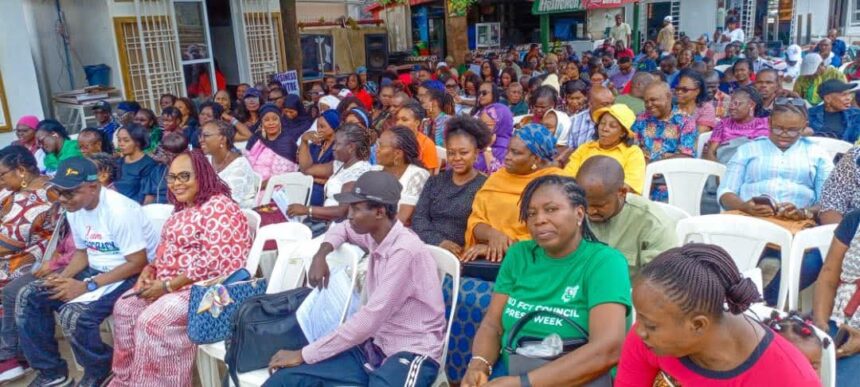
The call was the major outcome of the NUJ FCT Congress held on Saturday, June 6, 2026, which brought together more than 500 journalists from various media organizations to deliberate on pressing national issues affecting public safety, governance, development, and the welfare of citizens.
In a communiqué issued at the end of the congress, journalists expressed deep concern over the persistent wave of insecurity, including kidnappings, abductions, violent attacks on communities, and other criminal activities that continue to threaten peace and stability across the country.
The congress emphasized that the protection of lives and property remains the primary responsibility of government and urged security agencies to strengthen intelligence gathering, enhance operational effectiveness, and adopt proactive measures capable of curbing the activities of criminal elements.
According to the communiqué, Nigerians deserve to live without fear, and every effort must be made to ensure that communities, institutions, and public spaces remain safe and secure.
The journalists also reaffirmed the media’s crucial role in promoting accountability, transparency, and informed public discourse. They urged media practitioners to remain committed to accurate, balanced, and responsible reporting of security issues while upholding the highest standards of professional ethics.
The congress noted that credible journalism remains an essential pillar in the fight against insecurity, as the media serves as a bridge between government institutions and the public.
While encouraging journalists to continue holding public officials accountable, the union cautioned against sensational reporting capable of generating panic or eroding public trust.
Recognizing the growing risks faced by journalists in the line of duty, the congress advised media professionals to place greater emphasis on personal security and family welfare. Members were encouraged to remain vigilant in their daily activities, take necessary safety precautions while covering assignments, and stay alert to evolving security threats.
A major highlight of the deliberations was the demand for greater transparency and honesty in official security communications. The congress stressed that security agencies must provide citizens with timely, factual, and accurate information concerning security incidents and responses.
According to participants, transparent communication regarding kidnappings, attacks, and other security breaches is critical to building public confidence, fostering trust, and encouraging greater cooperation between citizens and security institutions.
The congress further turned its attention to the safety of educational institutions, describing the protection of schools as a national imperative that requires immediate and sustained action.
Members called on both federal and state governments to fully implement the Safe School Initiative and ensure that all funds earmarked for the programme are judiciously utilized for their intended purpose.
The journalists observed that many of the attacks on schools and the abduction of students witnessed in recent years could be prevented through the effective implementation of existing security measures and policies.
To strengthen school security nationwide, the congress advocated the construction of perimeter fencing around vulnerable schools, deployment of adequately trained security personnel including officers of the Nigeria Security and Civil Defence Corps (NSCDC) and the installation of additional protective infrastructure capable of safeguarding students, teachers, and educational facilities.
Beyond security concerns, the congress expressed dissatisfaction with the persistent water supply challenges affecting residents of the Federal Capital Territory.
The journalists called on the Federal Capital Territory Administration (FCTA) and the Federal Capital Development Authority (FCDA) to urgently address the situation and provide lasting solutions to the recurring water shortages that continue to impose hardship on residents and businesses across the territory.
The gathering also underscored the need for stronger collaboration between government institutions and the media.
Members specifically urged the Minister of the Federal Capital Territory, Chief Nyesom Wike, to deepen engagement with journalists and strengthen working relationships with media stakeholders, particularly on matters relating to public information management, development communication, and security reporting.
According to the congress, closer cooperation between government and the media would enhance public understanding of government policies and programmes while ensuring the effective dissemination of information to citizens.
As part of broader efforts to improve the quality of security reporting in Nigeria, the congress called on the National Secretariat of the Nigeria Union of Journalists to organize regular workshops, seminars, conferences, and specialized training programmes focused on national security reporting.
Such capacity-building initiatives, members noted, would equip journalists with the knowledge, skills, and safety awareness required to report complex security issues professionally, responsibly, and effectively.
At the conclusion of the congress, journalists reaffirmed their unwavering commitment to professionalism, public-interest journalism, peacebuilding, national unity, and sustainable development.
They pledged to continue promoting ethical journalism and advocating policies and actions that enhance the safety, welfare, and overall well-being of Nigerians.
The communiqué was signed by the Congress Communiqué Committee comprising Comrade Monica Danbauchi, Comrade Raphael Towoju, and Comrade Ediri Oyibo.