
How Fake Drugs, Adulterated Food and Weak Regulation Are Threatening the Lives of Millions
By Fred Akpowo Jacob
October 14, 2026
There is something profoundly disturbing about a person unknowingly paying for a product that could destroy their health or even end their life. A mother buys cough syrup for her child. A man purchases medication to control his blood pressure. A family buys palm oil, seasoning or sachet water for daily consumption. They trust these products to protect their health and sustain their lives, unaware that some may contain dangerous substances capable of causing serious illness, organ damage or death.
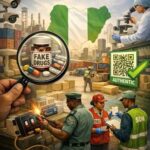
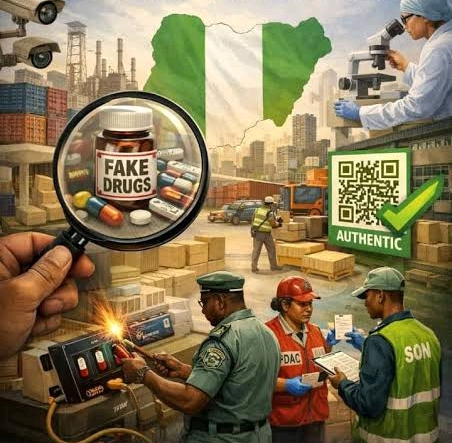
This is more than ordinary dishonesty. Counterfeit medicines, adulterated food and contaminated consumer products represent a grave public health threat, sustained by illegal production, deceptive packaging, questionable distribution networks and weaknesses in regulatory enforcement.
The consequences are devastating. Nigerians are not merely losing money to unscrupulous merchants; they are being exposed to treatment failure, kidney and liver damage, preventable complications and premature death.
What makes the situation particularly alarming is that these criminal activities are no longer limited to individuals operating from obscure locations. Some involve organised networks of production, packaging, storage and distribution, deliberately designed to make dangerous products appear genuine and trustworthy.
Markets and commercial centres across Nigeria, including Idumota in Lagos, Onitsha Bridgehead in Anambra State, Ariaria in Aba and Sabon Gari in Kano, have featured in regulatory operations targeting counterfeit, expired and improperly stored medicines and other consumer products.
The danger extends beyond pharmaceuticals. Adulterated cooking oil containing unauthorised industrial dyes, contaminated spices, unsafe food products and poorly processed sachet water can expose unsuspecting consumers to toxic substances and disease-causing organisms.
Some counterfeit medicines contain insufficient quantities of their active ingredients, none at all, or dangerous substances that should never be present. Others are expired products repackaged and sold as new.
These practices can prevent patients from receiving effective treatment while exposing them to additional health risks. For people battling infections, hypertension, diabetes and other chronic illnesses, taking ineffective or contaminated medication can turn a manageable condition into a life-threatening emergency.
At the heart of this crisis is a disturbing calculation in which profit takes precedence over human life, while the perceived likelihood of detection and punishment remains insufficient to deter offenders.
A REGULATORY SYSTEM UNDER PRESSURE
Nigeria is not without regulatory institutions. The National Agency for Food and Drug Administration and Control (NAFDAC) and the Standards Organisation of Nigeria (SON) have mandates to protect consumers and uphold product standards.
However, the scale of the problem raises fundamental questions about the adequacy of enforcement, the reach of regulatory surveillance and the effectiveness of the justice system in dealing with offenders.
Figures cited in the original report indicate that NAFDAC conducted 5,210 investigations and 45,657 surveillance operations between 2023 and 2025. In 2023, the agency reportedly destroyed counterfeit products valued at more than ₦21.1 billion. In 2024, it destroyed products reportedly worth about ₦55.7 billion, with a street value exceeding ₦120 billion.
Yet the figures also raise concerns about the relationship between the scale of investigations and the number of successful prosecutions. The original account states that NAFDAC filed four court cases in 2023 and 20 in 2024, securing six convictions in 2024.
These figures require closer examination, particularly because investigations, prosecutions and convictions represent different stages of regulatory and judicial action. Nevertheless, the broader question remains: are the mechanisms for holding perpetrators accountable keeping pace with the scale of the threat?
The situation became even more dramatic in 2025.
Between February and March of that year, NAFDAC reportedly conducted coordinated operations in Idumota, Lagos; Onitsha markets; and Ariaria, Aba. More than 11,000 shops, warehouses and packing stores were reportedly shut, while 137 truckloads of suspected illicit medicines, each described as a 40-foot truckload, were evacuated. The products were valued at more than ₦1.5 trillion.
The operation demonstrated the magnitude of the challenge confronting regulators and the extensive networks through which dangerous products can circulate.
In August 2025, NAFDAC and the Nigeria Customs Service reportedly intercepted 16 containers valued at ₦20.5 billion at Onne Port in Rivers State. The consignment allegedly included 1.3 million bottles of codeine syrup, 12.6 million tramadol tablets, 9.3 million tablets of falsified diclofenac and four containers of unwholesome tomato paste concealed among ceiling fans.
If confirmed in the relevant enforcement records, these seizures would illustrate the scale and sophistication of the illicit trade.
The operations continued into 2026. The original report cites the destruction of approximately ₦15 billion worth of fake, expired and banned medicines in Ibadan in February, including Analgin, codeine syrups, tramadol, oxytocin and expired vaccines. It also cites the destruction of products valued at ₦1.8 billion in Kuje, Abuja, in March, including counterfeit milk, skin-lightening creams containing mercury, fake insecticides and prohibited sachet alcohol.
Earlier, in December 2024, counterfeit beverages reportedly valued at ₦7 billion were destroyed in Aba following the closure of about 250 shops.
These operations deserve recognition. But seizures, warehouse closures and product destruction, important as they are, cannot be the sole measures of success.
The real test is whether the people behind these operations are identified, prosecuted and prevented from returning to business.
The original account further reports 64 convictions for counterfeiting between June 2025 and June 2026, with sentences ranging from one to seven years. It also refers to specific cases involving falsified medicines, including products associated with the Global Fund and codeine syrup.
These figures, including the number of convictions and the circumstances of individual cases, should be assessed against official judicial and regulatory records. Whatever the final verified numbers, Nigeria needs a justice system that makes the manufacture and distribution of dangerous products an unprofitable and high-risk enterprise.
The question is no longer whether the authorities know that counterfeit products exist. The question is whether the country’s regulatory and enforcement machinery can dismantle the networks responsible.
WHY DOES THE CRISIS PERSIST?
Several structural weaknesses appear to contribute to the persistence of counterfeit medicines and adulterated consumer products.
Inadequate personnel and laboratory capacity
The original report estimates that NAFDAC has fewer than 4,000 staff serving a population exceeding 220 million. It also identifies limited laboratory capacity as a major obstacle to effective surveillance.
Where samples must travel long distances for testing, investigations can be delayed, enforcement decisions postponed and dangerous products left in circulation for longer than necessary.
A country of Nigeria’s size requires adequately equipped laboratories, trained personnel and a decentralised testing network capable of responding quickly to suspected contamination and falsification.
Vulnerabilities at the ports
Nigeria’s ports remain critical entry points for imported medicines, food products and industrial materials. Where inspection systems are compromised, documentation is falsified or enforcement personnel are insufficient, dangerous goods can enter the country disguised as legitimate consignments.
Effective port surveillance requires collaboration among NAFDAC, the Nigeria Customs Service, port authorities and other relevant agencies. It also demands reliable intelligence, risk-based inspections and firm action against officials or private operators who facilitate the entry of illegal products.
The persistence of open drug markets
The continued circulation of medicines through poorly controlled distribution channels makes it difficult to establish the origin, quality and authenticity of products.
The original report points to delays surrounding Coordinated Wholesale Centres intended to improve pharmaceutical distribution, including proposed centres in Anambra, Lagos and Kano.
Where such arrangements remain stalled or ineffective, informal and fragmented distribution systems can continue to provide opportunities for counterfeiters.
Reform, however, must go beyond relocating traders. It requires a traceable supply chain, proper licensing, effective inspection and the consistent enforcement of pharmaceutical standards.
Weak deterrence and slow prosecution
Laws are only as effective as their enforcement.
Where prosecutions take years, offenders exploit procedural delays or penalties fail to reflect the gravity of the offence, the illicit trade can remain attractive.
Nigeria must ensure that investigations are professionally conducted, evidence is properly preserved and cases involving dangerous medicines and food products receive appropriate attention from the courts.
Seizures should lead to investigations capable of identifying manufacturers, financiers, distributors and other participants in the supply chain.
Inactive state-level task forces
The original report also raises concerns about the inactivity of state-level task forces expected to support the fight against counterfeit products.
This is an important area for government attention. Federal regulators cannot effectively monitor every pharmacy, market, warehouse, border community and distribution centre without strong cooperation from state and local authorities.
State governments should establish or revitalise relevant task forces, clarify their responsibilities and ensure that they work in coordination with NAFDAC, SON, law enforcement agencies and public health institutions.
The fight against counterfeit products must be continuous, coordinated and nationwide, rather than limited to occasional raids that attract headlines before the trade resurfaces elsewhere.
THE HUMAN COST: WHEN COUNTERFEIT PRODUCTS DAMAGE THE KIDNEYS
The consequences of counterfeit medicines and contaminated products are best understood not through the number of cartons seized but through the human suffering that follows exposure.
Kidney disease offers a particularly disturbing illustration.
The original report cites Nigerian nephrology estimates suggesting that kidney disease affects a substantial proportion of the population. It also references a 2025 inaugural lecture at Obafemi Awolowo University, Ile-Ife, which reportedly discussed a pooled prevalence of 20.4 per cent across Nigerian studies involving 14,250 participants.
The report further estimates that approximately 25.4 million Nigerian adults could be living with overt or covert chronic kidney disease, with about 127,000 experiencing advanced or end-stage disease.
These estimates should be interpreted carefully because prevalence varies according to the population studied, the diagnostic criteria used and the methods applied. They nevertheless underline the importance of strengthening kidney disease prevention, early detection and treatment.
Chronic kidney disease is a major health concern because it can progress silently. Many people may not recognise that their kidneys are deteriorating until the condition becomes advanced.
The causes are varied. Hypertension, diabetes, glomerulonephritis and certain infections are important contributors. However, exposure to harmful substances, including some heavy metals and improperly used or contaminated medicines, can also damage the kidneys.
This is where counterfeit products become particularly dangerous.
A patient who purchases a fake antibiotic may fail to recover from an infection. Someone who repeatedly consumes contaminated food may be exposed to toxic substances. A person who uses an unregulated preparation containing undisclosed ingredients may unknowingly expose vital organs to harm.
The danger is not that every counterfeit product causes kidney failure, but that such products introduce avoidable risks into an already strained public health system.
The original report also cites research concerning lead contamination in households and media reports about kidney failure among children. Such claims require careful verification, including the distinction between exposure to contaminants and clinically established kidney disease.
What is beyond dispute is the need for stronger food safety surveillance, reliable pharmaceutical regulation and public education on the dangers of unregistered or suspicious products.
Kidney disease should not become a death sentence simply because early warning signs were missed, harmful substances went undetected or effective treatment remained unaffordable.
LIVER DISEASE: ANOTHER FRONT IN THE PUBLIC HEALTH CRISIS
The liver, which plays a central role in processing nutrients, filtering harmful substances and supporting essential bodily functions, is also vulnerable to toxic exposure.
Nigeria already faces a substantial burden of viral hepatitis.
The original report cites government figures from July 2025 indicating that more than 20 million Nigerians were living with hepatitis B or hepatitis C. It gives estimates of 18.2 million people with hepatitis B and 2.5 million with hepatitis C.
The figures underline the scale of the challenge, although the exact burden should be assessed against current surveillance and international health estimates.
Untreated chronic hepatitis can lead to cirrhosis, liver failure and liver cancer. The consequences extend beyond individual patients to their families, employers and the wider economy.
The challenge becomes even more serious when viral hepatitis coexists with other risk factors, including harmful chemical exposure and the consumption of unsafe products.
Some industrial dyes and other unauthorised additives may be toxic when consumed. Certain contaminants can damage the liver, while some are associated with increased cancer risk. Contaminated food can also expose consumers to substances such as aflatoxins, which are linked to liver cancer.
The history of contaminated medicinal syrups in Nigeria provides a grim reminder of the consequences of regulatory failure.
The deaths of children linked to contaminated teething mixtures and other medicinal syrups exposed the devastating cost of allowing unsafe products into the market. The original report refers to the My Pikin teething mixture tragedy of 2008–2009 and an earlier paracetamol syrup incident in 1990.
These tragedies should remain a warning to regulators, manufacturers, importers and distributors: medicines intended to relieve suffering can become instruments of death when quality controls fail.
Protecting consumers requires more than checking labels. Authorities must verify ingredients, monitor manufacturing conditions, inspect supply chains and investigate reports of adverse reactions.
For families, the consequences of liver disease can be overwhelming. Treatment may involve prolonged medication, repeated investigations, specialist consultations and, in advanced cases, expensive interventions.
When the illness results from exposure to a preventable hazard, the suffering becomes even harder to justify.
THE FINANCIAL NIGHTMARE OF KIDNEY FAILURE
For families already struggling with the cost of food, housing, education and transportation, a diagnosis of kidney failure can be financially devastating.
Dialysis is a life-sustaining treatment for many patients with advanced kidney disease. However, its cost can place an extraordinary burden on households, particularly when treatment is required several times a week.
The original report cites dialysis costs ranging from ₦40,000 to ₦100,000 per session before government subsidies, depending on the hospital and other factors.
At three sessions a week, a patient paying ₦40,000 per session would spend ₦120,000 weekly on the sessions alone. At ₦100,000 per session, the weekly cost would rise to ₦300,000.
These amounts exclude transportation, laboratory investigations, prescribed medicines, food and other expenses associated with treatment.
For a household dependent on a single income, sustaining such expenditure can be nearly impossible.
The situation is particularly painful because kidney disease often affects people who are still economically active and supporting children, spouses, parents and other dependants.
In 2024, the Federal Government announced an 80 per cent subsidy for dialysis sessions in selected federal health facilities. The original report identifies 11 participating centres across the country and cites a subsidised session fee of approximately ₦12,000.
Such intervention can make an important difference by reducing the direct cost of treatment for eligible patients.
However, access to subsidised dialysis remains a critical issue. Patients must establish whether their treatment centre participates in the scheme, what charges are covered and what additional costs they will have to bear.
Where consumables, prescribed medicines, investigations and transportation are excluded, even a reduced session fee can remain unaffordable for people with little or no financial support.
At ₦12,000 per session, three sessions weekly amount to ₦36,000. Over four weeks, that is approximately ₦144,000, excluding other treatment expenses.
This demonstrates why dialysis support must be accompanied by broader financial protection for people living with kidney disease.
The original report also cites the experience of music video director TG Omori, who publicly discussed the financial burden associated with dialysis following his kidney transplant. Such accounts draw attention to a reality that thousands of less visible patients face without access to substantial personal resources.
A kidney transplant may offer some patients a longer-term treatment option, but transplantation also requires substantial upfront expenditure, appropriate medical facilities, follow-up care and lifelong immunosuppressive medication.
The cost of transplantation varies according to the facility, clinical circumstances and associated services. The same is true of long-term medication expenses.
For ordinary Nigerians, the challenge is not simply accessing treatment. It is finding the money to sustain it.
THE ECONOMIC COST OF PREVENTABLE ILLNESS
The damage caused by counterfeit medicines and adulterated food does not end with hospital bills.
Families may sell property, borrow from relatives, exhaust savings or withdraw children from school to pay for treatment. Businesses lose productive workers. Employers lose experienced staff. Governments spend scarce resources managing complications that might have been prevented.
For a family displaced by conflict or living in a vulnerable community in Benue State, one suspected counterfeit medicine that leads to serious illness can trigger a chain of financial hardship.
The household may begin by spending a few thousand naira on a product believed to offer relief. If the product fails or causes harm, the family may subsequently face repeated hospital visits, laboratory investigations, prolonged treatment and loss of income.
The initial purchase may appear insignificant. The consequences can be catastrophic.
Nigeria’s healthcare system is already under pressure from shortages of health professionals, unequal access to specialist services, high out-of-pocket expenditure and the growing burden of chronic diseases.
Counterfeit medicines and contaminated products add another layer of avoidable demand.
Hospitals must treat patients whose conditions may have worsened because they received ineffective medicines or were exposed to harmful substances. Families must cope with the consequences, while the individuals responsible for distributing dangerous products may continue to profit.
The economic argument for stronger regulation is therefore compelling.
Preventing a patient from consuming a toxic product may cost far less than treating the resulting illness. Removing counterfeit medicines from circulation can protect lives while reducing avoidable pressure on hospitals, public finances and household incomes.
Public health protection is not merely a regulatory obligation. It is an investment in national productivity and human development.
WHAT MUST CHANGE?
Nigeria needs a sustained and coordinated response that addresses the production, importation, distribution and consumption of counterfeit medicines and adulterated food.
First, regulatory institutions must be adequately funded and staffed. NAFDAC requires sufficient inspectors, laboratory scientists, enforcement personnel and modern testing equipment to monitor products across the country.
Laboratory capacity should be expanded and strategically distributed so that suspected products can be tested promptly. Faster testing would support timely investigations and reduce delays in removing dangerous goods from circulation.
Second, surveillance at ports and other entry points must be strengthened. Relevant agencies should improve information sharing, risk assessment, cargo inspection and the verification of import documentation. Officials who deliberately facilitate the entry of illegal products must face appropriate consequences.
Third, pharmaceutical distribution requires effective traceability. Medicines should be tracked from legitimate manufacturers and importers through wholesalers to authorised retailers. Licensing and inspection must be backed by reliable records, while suspicious consignments should trigger immediate investigation.
Fourth, enforcement must target the networks behind the trade, not merely the shops where products are discovered. Investigators should pursue the manufacturers, financiers, warehouse operators, transporters and distributors involved in organised counterfeiting.
Fifth, prosecutions must be timely and effective. The law should be applied consistently, with penalties proportionate to the gravity of the offence. Convictions should rest on properly investigated cases, while innocent traders must not be subjected to arbitrary sanctions.
Sixth, state governments should strengthen cooperation with federal regulators. Local authorities, health ministries, professional associations and law enforcement agencies can help identify suspicious products, monitor markets and respond to complaints.
Seventh, consumer education must become a continuous national priority. Nigerians should be encouraged to purchase medicines from authorised outlets, verify product registration where possible and report suspicious products to the relevant authorities.
Consumers should also understand that packaging alone does not guarantee authenticity. Counterfeiters can reproduce labels, seals and other identifying features. Verification systems, reliable suppliers and regulatory oversight remain essential.
Finally, Nigeria must strengthen food safety controls. The protection of public health cannot focus exclusively on medicines while adulterated food, unsafe processing practices and contaminated consumer products remain insufficiently monitored.
These measures must be accompanied by transparency. Regulatory agencies should publish clear, consistent information about seizures, investigations, prosecutions, convictions and the final outcomes of enforcement operations.
The public deserves to know not only how many products have been destroyed but also whether the networks responsible have been dismantled and whether the same products are returning to the market.
PUBLIC HEALTH MUST COME BEFORE PROFIT
Nigeria cannot eliminate every health risk. No regulatory system is perfect, and no country is entirely immune to counterfeit products.
But avoidable harm caused by criminal greed, inadequate oversight and weak enforcement must not be accepted as an inevitable feature of daily life.
Every dangerous product removed from circulation represents an opportunity to prevent illness. Every effective prosecution can discourage future offenders. Every properly regulated medicine gives patients a better chance of receiving the treatment they need.
Every safe food product protects a family. Every properly treated patient preserves a life, a livelihood and a community.
The responsibility for confronting this crisis does not rest with NAFDAC alone. It requires the commitment of government, the judiciary, law enforcement agencies, manufacturers, importers, distributors, healthcare professionals and consumers.
The government must provide the resources and political support necessary for effective enforcement. Businesses must reject the temptation to maximise profits through dangerous shortcuts. Health professionals must report suspected treatment failures and adverse reactions. Consumers must remain vigilant, while the authorities must respond promptly to credible complaints.
Most importantly, the fight must move beyond dramatic raids and impressive seizure figures to sustained action that reduces the availability of dangerous products and protects the public.
Until Nigerians can place reasonable confidence in the medicines they take, the food they eat and the water they drink, the battle against counterfeit products will remain unfinished.
This is not merely a fight against economic crime. It is a struggle for public health, human dignity and the fundamental value of life.
The health of Nigerians must never become collateral damage in the pursuit of illicit profit.
Fred Akpowo Jacob is a Political Economist, Publisher and Public Affairs Analyst.