

Bankole declares ‘No Vacancy in Aso Rock’ as Abba Isa mobilises voters with disabilities, citing Tinubu’s inclusion agenda
By Chioma Vivian James | Abuja
The All Progressives Congress (APC) has set a target of five million votes for President Bola Ahmed Tinubu in the 2027 presidential election, with its Persons with DisabAPC Disability Wing Targets 5 Million Votes for Tinubu in 2027
Bankole declares ‘No Vacancy in Aso Rock’ as Abba Isa mobilises voters with disabilities, citing Tinubu’s inclusion agenda
By Chioma Vivian James | Abuja
The All Progressives Congress (APC) has set a target of five million votes for President Bola Ahmed Tinubu in the 2027 presidential election, with its Persons with Disabilities (PWDs) Directorate expressing confidence that the ruling party will secure another victory.
The directorate said it would mobilise persons with disabilities nationwide, leveraging existing associations and government policies on inclusion to strengthen support for Tinubu’s re-election bid.
Aare (Hon.) Durotolu Oyebode Bankole, Co-Director of the APC Persons with Disabilities Directorate and national leader of persons with disabilities in the party, declared that the APC was confident of retaining power.
Speaking at the Second Inaugural Meeting of the Leadership of the APC Persons with Disabilities Directorate of the Presidential Campaign Council, Bankole said the party was concentrating on the margin of victory rather than merely winning the election.
“There’s no vacancy in Aso Rock,” he declared, dismissing the opposition’s prospects.
However, Bankole did not provide polling data or electoral projections to substantiate the party’s confidence.
Five Million Votes in Focus
Muhammad Abba Isa, Senior Special Assistant to the President on Special Needs and Equal Opportunities, announced the directorate’s target of mobilising at least five million votes for Tinubu.
“We are going to mobilise at least five million votes for President Bola Ahmed Tinubu,” he said.
Abba Isa described persons with disabilities as a politically significant constituency whose participation could influence electoral outcomes if properly organised.
He identified disability associations and the National Commission for Persons with Disabilities as important structures for coordinating the mobilisation effort.
However, the directorate did not disclose the number of registered voters with disabilities it could reach, state-by-state projections or a detailed strategy for achieving the target.
The five-million-vote ambition therefore remains a politic reduce the capal pledge whose success will depend on the directorate’s organisational capacity and the choices of eligible voters in 2027.
Electoral Accessibility Remains a Challenge
Beyond political mobilisation, Abba Isa highlighted the difficulties persons with disabilities face in exercising their voting rights.
He disclosed that representatives of disability organisations, support groups and the media had engaged the Independent National Electoral Commission (INEC) on preparations for the 2027 general election.
The discussions focused on making polling units, voting materials and electoral procedures more accessible to people with different disabilities.
Abba Isa commended INEC for engaging disability organisations but stressed the need for practical measures to ensure that eligible voters with disabilities could participate effectively.
Such measures include accessible polling facilities, appropriate voter information, adequate assistance and protection of ballot secrecy.
He maintained that removing these barriers was essential to ensuring that persons with disabilities could exercise their democratic rights without discrimination.
Tinubu’s Inclusion Agenda Under Spotlight
Abba Isa attributed the directorate’s support for Tinubu’s re-election to what he described as the administration’s commitment to disability inclusion.
He cited the establishment of an office dedicated to special needs and equal opportunities, the National Commission for Persons with Disabilities and disability-related agencies in several states as evidence of progress.
According to him, approximately 29 states had signed and established agencies intended to protect the interests of persons with disabilities.
However, he did not provide a state-by-state breakdown or details of the agencies’ operational effectiveness.
The impact of these institutions ultimately depends on funding, enforcement of disability rights and tangible improvements in access to education, healthcare, employment, infrastructure and political participation.
Women with Disabilities Seek Greater Representation
Hon. Leis Auta, Deputy Director for Women in the Persons with Disabilities Directorate of the Presidential Campaign Council and a board member of the Maryam Abacha National Centre for Women Development, highlighted the importance of greater political representation for women with disabilities.
She identified the National Commission for Persons with Disabilities and the proposed Reserved Seats Bill for women and persons with disabilities as potential instruments for strengthening inclusion.
Auta also commended the APC for including a woman with a disability in the directorate’s leadership, expressing confidence that women with disabilities would contribute to the party’s mobilisation efforts.
She described the proposed legislation as an opportunity to address barriers that have historically limited the participation of women and persons with disabilities in elected institutions.
From Promises to Results
The meeting also featured disability-sector and party representatives, including Misbahu Lawan Didi, the directorate’s secretary, and Ayuba Burki Gufidan, associated with the National Commission for Persons with Disabilities and the APC’s disability leadership.
The gathering underscored the APC’s intention to strengthen its engagement with persons with disabilities ahead of the 2027 election while presenting the administration’s inclusion agenda as part of its re-election case.
However, the directorate faces two major tests: demonstrating its capacity to mobilise the promised five million votes and showing that disability-inclusion policies are delivering measurable benefits.
For Bankole, the message was Clear: “There’s No Vacancy In Aso Rock.”
For Abba Isa, the ambition is five million votes for Tinubu.
Whether the target translates into electoral gains will ultimately depend on the effectiveness of the mobilisation effort and the decisions voters make at the ballot box in 2027.ilities (PWDs) Directorate expressing confidence that the ruling party will secure another victory.
The directorate said it would mobilise persons with disabilities nationwide, leveraging existing associations and government policies on inclusion to strengthen support for Tinubu’s re-election bid.
Aare (Hon.) Durotolu Oyebode Bankole, Co-Director of the APC Persons with Disabilities Directorate and national leader of persons with disabilities in the party, declared that the APC was confident of retaining power.
Speaking at the Second Inaugural Meeting of the Leadership of the APC Persons with Disabilities Directorate of the Presidential Campaign Council, Bankole said the party was concentrating on the margin of victory rather than merely winning the election.
“There’s no vacancy in Aso Rock,” he declared, dismissing the opposition’s prospects.
However, Bankole did not provide polling data or electoral projections to substantiate the party’s confidence.
Five Million Votes in Focus
Muhammad Abba Isa, Senior Special Assistant to the President on Special Needs and Equal Opportunities, announced the directorate’s target of mobilising at least five million votes for Tinubu.
“We are going to mobilise at least five million votes for President Bola Ahmed Tinubu,” he said.
Abba Isa described persons with disabilities as a politically significant constituency whose participation could influence electoral outcomes if properly organised.
He identified disability associations and the National Commission for Persons with Disabilities as important structures for coordinating the mobilisation effort.
However, the directorate did not disclose the number of registered voters with disabilities it could reach, state-by-state projections or a detailed strategy for achieving the target.
The five-million-vote ambition therefore remains a political pledge whose success will depend on the directorate’s organisational capacity and the choices of eligible voters in 2027.
Electoral Accessibility Remains a Challenge
Beyond political mobilisation, Abba Isa highlighted the difficulties persons with disabilities face in exercising their voting rights.
He disclosed that representatives of disability organisations, support groups and the media had engaged the Independent National Electoral Commission (INEC) on preparations for the 2027 general election.
The discussions focused on making polling units, voting materials and electoral procedures more accessible to people with different disabilities.
Abba Isa commended INEC for engaging disability organisations but stressed the need for practical measures to ensure that eligible voters with disabilities could participate effectively.
Such measures include accessible polling facilities, appropriate voter information, adequate assistance and protection of ballot secrecy.
He maintained that removing these barriers was essential to ensuring that persons with disabilities could exercise their democratic rights without discrimination.
Tinubu’s Inclusion Agenda Under Spotlight
Abba Isa attributed the directorate’s support for Tinubu’s re-election to what he described as the administration’s commitment to disability inclusion.
He cited the establishment of an office dedicated to special needs and equal opportunities, the National Commission for Persons with Disabilities and disability-related agencies in several states as evidence of progress.
According to him, approximately 29 states had signed and established agencies intended to protect the interests of persons with disabilities.
However, he did not provide a state-by-state breakdown or details of the agencies’ operational effectiveness.
The impact of these institutions ultimately depends on funding, enforcement of disability rights and tangible improvements in access to education, healthcare, employment, infrastructure and political participation.
Women with Disabilities Seek Greater Representation
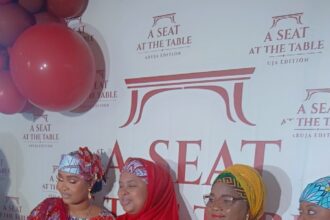
Hon. Leis Auta, Deputy Director for Women in the Persons with Disabilities Directorate of the Presidential Campaign Council and a board member of the Maryam Abacha National Centre for Women Development, highlighted the importance of greater political representation for women with disabilities.
She identified the National Commission for Persons with Disabilities and the proposed Reserved Seats Bill for women and persons with disabilities as potential instruments for strengthening inclusion.
Auta also commended the APC for including a woman with a disability in the directorate’s leadership, expressing confidence that women with disabilities would contribute to the party’s mobilisation efforts.
She described the proposed legislation as an opportunity to address barriers that have historically limited the participation of women and persons with disabilities in elected institutions.
From Promises to Results
The meeting also featured disability-sector and party representatives, including Misbahu Lawan Didi, the directorate’s secretary, and Ayuba Burki Gufidan, associated with the National Commission for Persons with Disabilities and the APC’s disability leadership.
The gathering underscored the APC’s intention to strengthen its engagement with persons with disabilities ahead of the 2027 election while presenting the administration’s inclusion agenda as part of its re-election case.
However, the directorate faces two major tests: demonstrating its capacity to mobilise the promised five million votes and showing that disability-inclusion policies are delivering measurable benefits.
For Bankole, the message was clear: “There’s no vacancy in Aso Rock.” For Abba Isa, the ambition is five million votes for Tinubu.
Whether the target translates into electoral gains will ultimately depend on the effectiveness of the mobilisation effort and the decisions voters make at the ballot box in 2027.