

Society urges stronger child-protection measures, equal opportunities and sustained investment in girls’ education and rights.
By Chioma Vivian James | Abuja
As the world commemorates the 2026 International Day of the Girl Child, the Standup For Women Society (SWS), Federal Capital Territory (FCT) Chapter, has called on fathers to take greater responsibility for protecting their daughters from abuse, exploitation, child marriage, discrimination and all forms of violence.
In a press statement issued in Abuja on October 11, 2026, the organisation emphasised that protecting the girl child must begin at home, with fathers playing an active role in creating safe, supportive and empowering environments for their daughters.
With this year’s observance focused on “End Child Marriage and Invest in Girls’ Rights,” SWS FCT Chapter stressed that every girl deserves quality education, good health, personal safety and the freedom to pursue her aspirations without fear or discrimination.
The organisation maintained that a father’s responsibility extends beyond providing food, shelter and school fees to include emotional support, attentive parenting, respect for his daughter’s dignity and the protection of her fundamental rights.
It urged fathers to create homes where girls can freely discuss their fears and challenges without intimidation, blame or rejection. It also called for prompt action whenever abuse is suspected, stressing that family reputation, cultural practices, financial considerations or the status of an alleged perpetrator must never take precedence over a child’s safety.
END CHILD MARRIAGE, PROTECT GIRLS’ FUTURE
SWS FCT Chapter strongly condemned child marriage and harmful practices that deprive girls of their childhood, education, health and future opportunities.
The organisation warned that child marriage can expose girls to serious health complications, interrupt their education, increase their vulnerability to violence and undermine their economic independence.
It urged parents and guardians not to regard early marriage as a solution to poverty, family difficulties or societal pressure. Instead, families were encouraged to invest in girls’ education, skills development, confidence and personal growth.
According to the organisation, the girl child must never be treated as a financial burden or a bargaining instrument but as an individual whose rights, aspirations and potential deserve protection.
SWS also called on mothers, teachers, religious and traditional leaders, community stakeholders and the wider society to work collectively towards ending practices that threaten girls’ welfare and development.
NO GIRL SHOULD SUFFER ABUSE IN SILENCE
Expressing concern over the vulnerability of girls to sexual abuse, harassment, trafficking, bullying, online exploitation and other forms of gender-based violence, the organisation called for stronger child-protection systems and safer reporting channels.
It urged parents to educate their children on personal safety, appropriate boundaries and how to seek help when confronted with threatening or uncomfortable situations.
Fathers, in particular, were encouraged to model respectful behaviour towards women and girls and challenge attitudes that excuse abuse or blame victims.
The organisation further stressed that schools, religious institutions, youth organisations and community groups must respond responsibly to allegations of abuse, ensuring that children who speak out are heard, protected and supported rather than threatened, shamed or silenced.
It called for suspected cases to be reported promptly to appropriate child-protection services and law-enforcement authorities, with the safety and privacy of affected children given priority.
INVEST IN GIRLS, STRENGTHEN THE NATION
Beyond parental responsibility, SWS FCT Chapter called on governments at all levels, policymakers, development partners and the private sector to increase investments in quality education, healthcare, nutrition, digital literacy, vocational training and social protection for girls.
It also urged authorities to strengthen the implementation of existing child-protection laws, improve access to justice for survivors of abuse and ensure that offenders are held accountable through due process.
The organisation emphasised the need to prioritise girls from low-income households, girls living with disabilities, out-of-school girls and those affected by displacement, insecurity and other circumstances that heighten their vulnerability.
It maintained that every girl should have the opportunity to discover her abilities, develop her talents and pursue her dreams without discrimination.
A COLLECTIVE RESPONSIBILITY
As part of its call to action, SWS FCT Chapter urged fathers to be present, attentive and protective; parents and guardians to reject child marriage and harmful practices; government to strengthen child-protection mechanisms; and schools and communities to provide safe environments where girls can thrive.
It also appealed to religious and traditional leaders to use their influence to challenge harmful practices and promote the dignity, safety and development of every girl.
The organisation encouraged girls to recognise the value of their voices, understand their rights and seek assistance from trusted adults and appropriate authorities whenever they feel unsafe.
Reaffirming its commitment to women’s welfare, dignity and empowerment, SWS FCT Chapter maintained that protecting the girl child is not the responsibility of women alone but a collective obligation requiring courage, compassion and accountability from families, institutions, government and society.
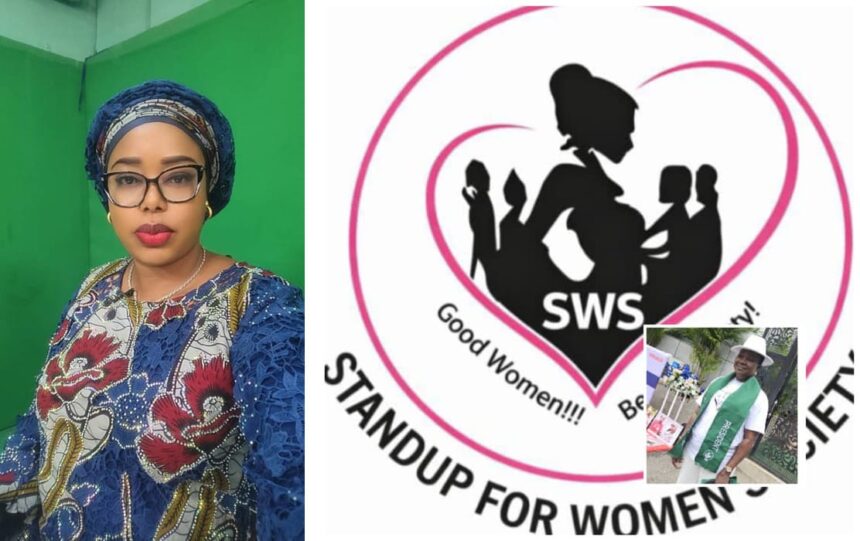
The statement was signed by the chapter’s Chairperson, Lib. Mina Daniels, and Secretary, Princess Joy Omagha Idam.
The organisation called for a shift from annual celebrations to practical, measurable and sustained action, urging families to make their homes safe, schools to provide opportunities and communities to respect the rights of every girl.
Its message was clear: protecting girls today is essential to building a safer, healthier and more equitable society tomorrow.
End child marriage. Protect the girl child. Invest in her rights. Secure her future.