
Humanitarian outreach brings maternal healthcare support to underserved Ruga Juli community
By: Chioma Vivian James
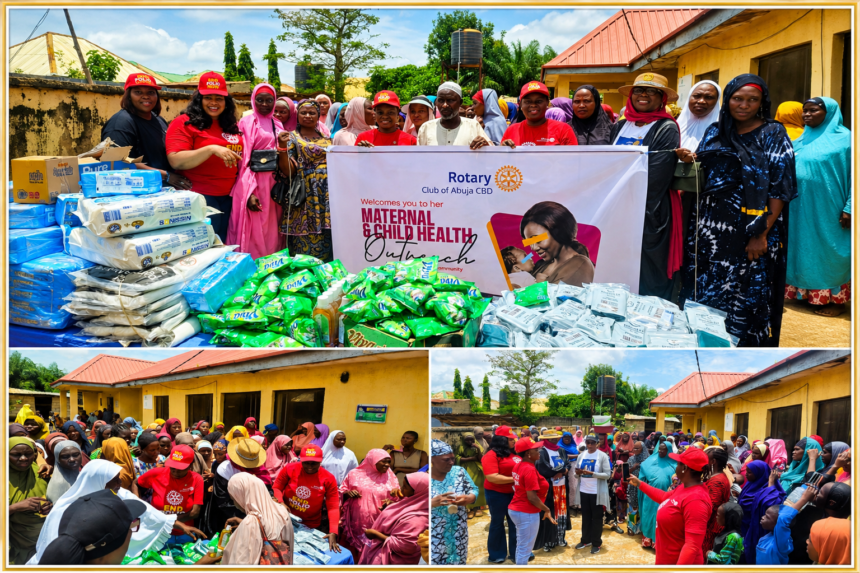
The Rotary Club of Abuja, Central Business District (CBD), has provided free delivery kits and essential hygiene items to between 150 and 200 pregnant women at the Primary Health Care Centre, Ruga Juli, in Karu Local Government Area of Nasarawa State.
The humanitarian intervention, which formed part of the club’s 2026 maternal and child healthcare projects, was aimed at supporting expectant mothers in the rural community and easing some of the financial pressures associated with childbirth.
Speaking during the distribution exercise, President of the Rotary Club of Abuja CBD, Rhoda Mando, said the initiative was designed to ensure that pregnant women had access to some of the basic items required for a safe and hygienic delivery.
“We want to make it seamless for pregnant women to have some of the basic necessities they need during childbirth,” Mando said.
She explained that the club went beyond the provision of delivery kits by distributing mosquito nets, disinfectants, detergents and other essential items that could contribute to the health and wellbeing of mothers and their children.
According to her, the intervention was particularly important at a time when the rising cost of living was placing additional pressure on families.
Mando noted that although July was designated by the Rotary District for maternal healthcare activities, the Abuja CBD club scheduled its outreach for August to enable it to reach the Ruga Juli community at a convenient time.
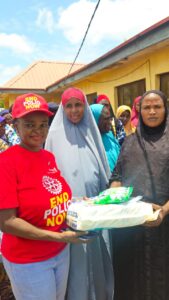 She said the decision to take the project to Ruga Juli was informed by a needs assessment which revealed that women in the remote community had received little or no similar assistance.
“We were informed that the women here don’t have anything. Nobody has come to do anything like this. The road is not even good, but we had to come,” she said.
The Rotary president described the turnout as “overwhelming and encouraging,” noting that the club was able to reach a significant number of pregnant women and nursing mothers.
She disclosed that the club plans to extend similar interventions to another rural community in the Federal Capital Territory, stressing that humanitarian assistance should be targeted at communities where the need is greatest.
Mando also urged the beneficiaries to pay greater attention to personal hygiene and environmental sanitation, particularly before and after childbirth.
“When you give birth to a child, you need that environment to be clean. With the kits they got from the club, I’m sure it will help them during delivery,” she said.
She explained that the Rotary Club conducts needs assessments before embarking on community projects, ensuring that interventions align with the organisation’s areas of focus.
“For example, when we get to water and sanitation, we look for a community that has that need. That’s how we work. For Ruga Juli, the focus is maternal and child health,” she added.
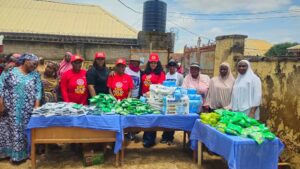 The Community Leader of Ruga Juli, Suleiman Salihu, expressed appreciation to the Rotary Club for bringing the intervention to the community.
He described the gesture as significant support for pregnant women who may struggle to afford basic delivery necessities.
“For rendering such assistance to our pregnant women, we are grateful. May God strengthen the club to continue to do more for our women,” Salihu said.
One of the beneficiaries, Hajiya Hassana Aliyu, also expressed gratitude to the club, saying the items would be useful when she goes to the hospital for delivery.
“I am so happy that I was given these delivery items. By God’s grace, during delivery, we can take them to the hospital to have a safe delivery. We appreciate those who made this possible,” she said.
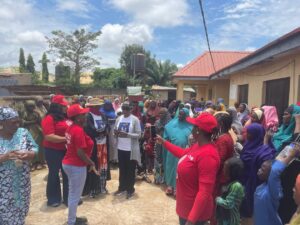 In addition to the pregnant women, no fewer than 40 nursing mothers also received treated mosquito nets and other essential items for themselves and their children.
The outreach underscores the importance of community-based interventions in strengthening maternal and child healthcare, particularly in underserved rural communities where families often face significant economic and healthcare challenges.