

AfCFTA Backs NCS Innovation, Seeks Continental Adoption to Transform Cross-Border Trade
By James Okoronkwo |Abuja
Africa’s ambition to deepen intra-continental trade may be entering a new phase, with Nigeria’s technology-driven customs reforms attracting continental attention and emerging as a potential model for modernising border management across Africa.
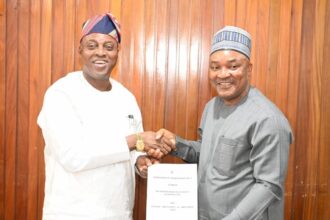
The Secretary-General of the African Continental Free Trade Area (AfCFTA), Wamkele Mene, has commended the Nigeria Customs Service (NCS) for its indigenous digital innovations, describing the reforms as practical African solutions capable of transforming customs administration and facilitating trade across the continent.
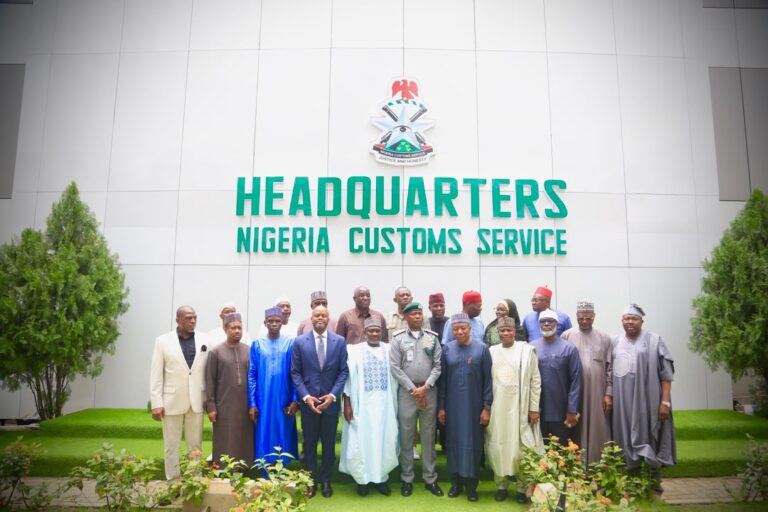
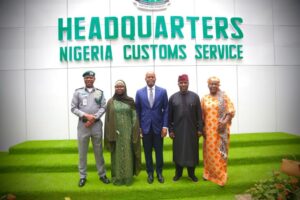
Mene made the remarks on Thursday, August 6, 2026, during a working visit to the Nigeria Customs Service Headquarters in Maitama, Abuja, where he expressed the readiness of the AfCFTA Secretariat to collaborate with the NCS in extending some of its digital innovations to other African countries.
His endorsement places Nigeria’s ongoing customs modernisation programme at the centre of a broader continental conversation about technology, trade facilitation, transparency and revenue mobilisation.
A Nigerian Solution with Continental Potential
 For decades, many African countries have struggled with cumbersome and largely manual customs procedures, resulting in delays at border crossings, revenue leakages, administrative bottlenecks and increased costs for legitimate businesses.
Against this background, Mene said the transformation taking place within the Nigeria Customs Service offers valuable lessons for countries seeking to build more efficient and transparent customs systems.
“What we have seen today is truly state-of-the-art. I sincerely congratulate the NCS for what it has achieved within such a short period,” Mene said.
He stressed that the value of Nigeria’s innovations goes beyond the country’s borders, noting that the AfCFTA Secretariat was interested in learning from and working with the NCS to promote solutions that could benefit the wider African market.
“We would like to work together and learn from what Nigeria has accomplished because this innovation has inherent benefits not only for Nigeria, but for the entire African continent,” he added.
Data Centre as a Continental Asset
One of the facilities that attracted particular attention was the Nigeria Customs Service data centre, which Mene described as a strategic digital asset with potential relevance beyond Nigeria.
According to him, African countries that lack the financial and technical capacity to independently establish sophisticated digital infrastructure could benefit from cooperation and knowledge-sharing around Nigeria’s experience.
The development, he noted, demonstrates that Africa is increasingly capable of designing, deploying and managing critical digital infrastructure to support modern trade and customs administration.
For a continent seeking to unlock the full potential of the African Continental Free Trade Area, such infrastructure could become increasingly important in connecting customs administrations, improving information exchange and facilitating the movement of goods across borders.
KNCS: “We Are Not Done Yet”
Responding to the AfCFTA chief, the Comptroller-General of Customs, Adewale Adeniyi, expressed appreciation for the recognition and reaffirmed the Service’s commitment to sustaining its modernisation drive.
Adeniyi said the NCS would continue to combine international best practices with locally developed solutions designed around Africa’s unique trade environment.
“We sincerely appreciate your passion for promoting intra-African trade and strengthening the interconnectivity of customs systems across the continent,” he said.
“We are not done yet. We will continue to expand the frontiers of innovation, learning from global best practices while developing solutions that advance the peculiar interests of the African continent.”
The Comptroller-General stressed that the Service remained committed to working with the AfCFTA Secretariat and other African customs administrations to deepen digital integration, facilitate legitimate trade and strengthen regional economic cooperation.
Beyond Revenue Collection
The significance of the reforms extends beyond the traditional role of customs in revenue collection.
An increasingly digital customs environment has the potential to improve transparency, reduce unnecessary delays, strengthen compliance and make legitimate trade more predictable for businesses.
For exporters and importers, faster and more transparent border procedures can translate into lower transaction costs and fewer bottlenecks. For governments, improved digital systems can strengthen revenue assurance and provide better data for economic planning.
At the continental level, greater interoperability among customs systems could help remove some of the practical barriers that continue to hinder the movement of goods despite the establishment of AfCFTA.
AfCFTA and the Digital Future of African Trade
The African Continental Free Trade Area was created to deepen economic integration, expand intra-African commerce and establish a more connected continental market.
However, achieving those ambitions requires more than trade agreements. It also requires modern infrastructure, efficient border systems, reliable data and customs administrations capable of processing growing volumes of cross-border trade.
This is where Nigeria’s emerging customs digital transformation could assume strategic importance.
The collaboration between the AfCFTA Secretariat and the Nigeria Customs Service is therefore expected to support conversations around greater interoperability, knowledge transfer and the possible replication of successful digital solutions across African customs administrations.
Nigeria’s Opportunity to Set the Pace
The recognition from AfCFTA provides the Nigeria Customs Service with both an endorsement and a responsibility: to sustain the momentum of its reforms and demonstrate that home-grown African technology can deliver solutions to African challenges.
If successfully expanded and shared, Nigeria’s experience could provide a blueprint for countries seeking to modernise border management, improve revenue collection and accelerate the movement of goods.
More importantly, it could reinforce a new narrative about Africa—not simply as a continent seeking to adopt imported solutions, but increasingly as a continent capable of creating, deploying and exporting innovations suited to its own realities.
With AfCFTA now looking to Nigeria’s customs digital transformation as a potential continental model, the message is clear: the future of African trade may increasingly run on African-built digital solutions.