
By Ene Oshaba, Abuja
As the 2027 general elections draw nearer, a coalition of women’s and democracy advocacy groups has called for urgent legislative and executive support for the passage of the Special Seats Bill, stressing that the bill has moved beyond advocacy and has become a democratic necessity as well as a potential legacy win for Nigeria’s 10th National Assembly.
The coalition warned that Nigerian women continue to face political violence, the monetisation of politics, exclusion from party structures, and a shrinking civic space. In this context, they argued, affirmative legislative intervention is no longer optional but the only realistic pathway to reversing Nigeria’s consistently poor record on women’s political representation.
“A democracy that excludes women is not merely incomplete; it is unstable, unjust, and unsustainable. Nigeria must choose inclusion, not convenience; reform, not retreat,” the coalition declared.
According to the groups, Nigeria cannot continue to conduct elections while systematically excluding half of its population from political decision-making. They described the Special Seats Bill as a constitutionally grounded, non-disruptive solution that expands representation without displacing incumbents, urging the National Assembly to fast-track its passage and calling on the Executive to publicly endorse and commit to assenting to the bill without delay.
Across the country, women are raising their voices with renewed urgency, drawing attention to a long-standing but unresolved question: can democracy truly thrive when half of the population remains largely absent from decision-making?
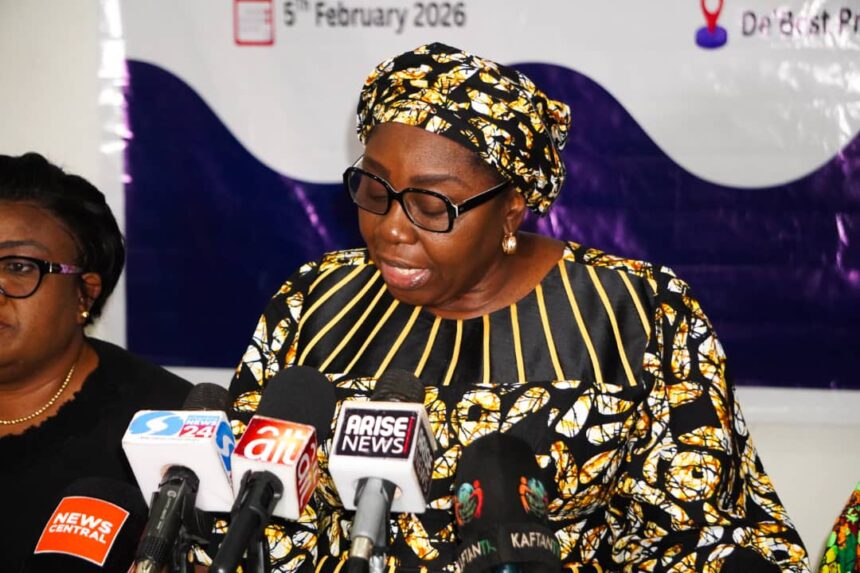
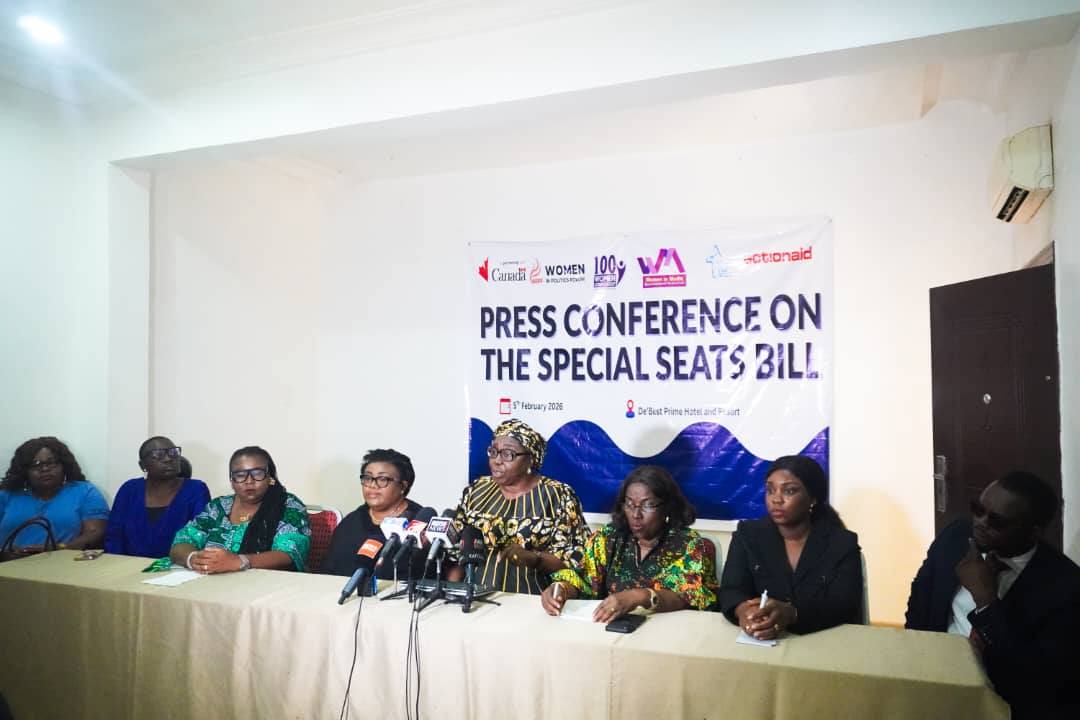
This question was central to a press briefing held in Abuja by a coalition of women’s rights and democracy organisations, including the Women in Politics Forum (WIPF), 100 Women Lobby Group, Nigeria Association of Women Journalists (NAWOJ), Women in Media, Safe Point and Care Initiative, Network of Women with Disabilities (NWD), and other civil society groups. Their collective message was clear: the passage of the Special Seats Bill is no longer optional; it is essential.
For decades, Nigerian women have navigated a political landscape shaped by violence, exclusion, monetised party structures, and limited access to power. Despite constituting nearly half of the population, women remain grossly underrepresented in elected offices and political leadership. The coalition stressed that this imbalance is not merely a women’s issue but a fundamental democratic deficit.
National President of the Women in Politics Forum, Ebere Ifendu, described Nigeria’s record on women’s political representation as deeply troubling, especially as the country prepares for another election cycle.
“The Special Seats Bill offers a constitutionally grounded solution to Nigeria’s democratic deficit.It expands representation without displacing incumbents and provides a realistic pathway for reversing decades of exclusion,” she said.
For many women, the bill represents more than numerical representation or quotas. It symbolises recognition, access, and the possibility of shaping policies that directly affect everyday lives, from healthcare and education to security and economic opportunity.
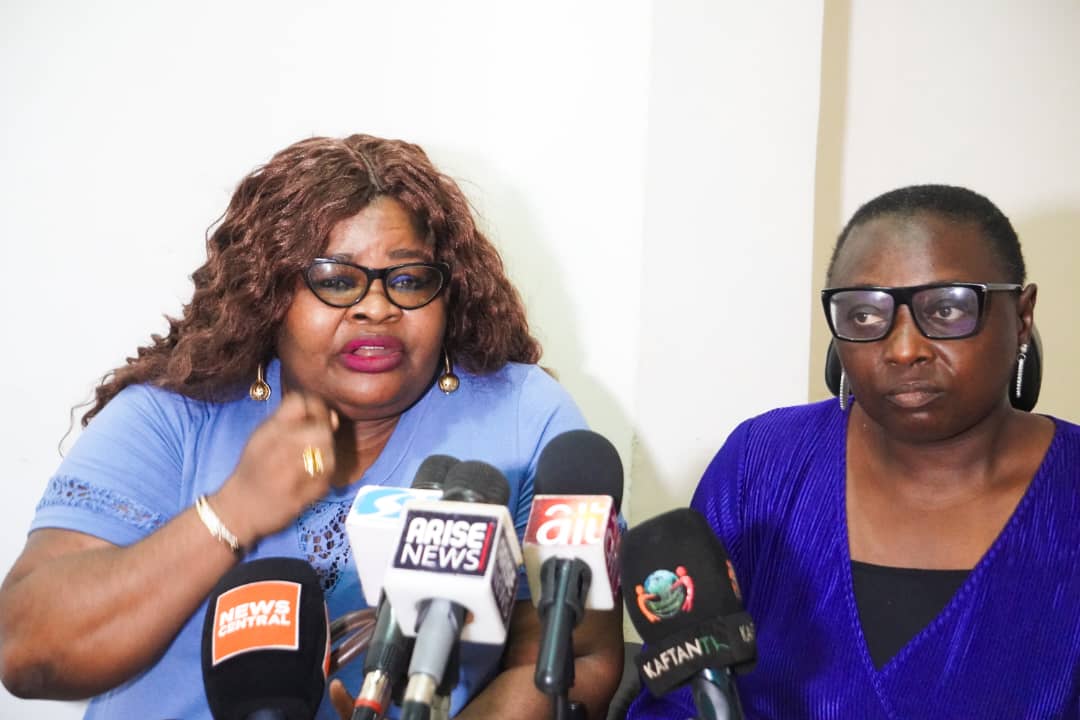
Ifendu noted that women continue to face systemic barriers to political participation, including intimidation, exclusion from party structures, and the high cost of contesting elections. In such circumstances, she argued, affirmative legislative action is not a privilege but a necessity.
The urgency surrounding the bill is further heightened by timing. With the constitutional amendment process already underway, advocates warned that delays could leave insufficient time for state-level endorsements and presidential assent before the 2027 elections. For women who have waited decades for meaningful inclusion, the window for action is rapidly closing.
Beyond women as a general category, the coalition highlighted the compounded exclusion faced by women with disabilities. National President of the Network of Women with Disabilities, Lois Auta, spoke about the persistent invisibility of women and girls with disabilities within Nigeria’s political system.
She described their marginalisation as a reflection of deeper failures in inclusive governance and urged lawmakers and political parties to move beyond policy statements to concrete action.
“When everyone is included, democracy works better,” Auta said, calling for deliberate efforts to ensure women with disabilities are represented in party structures and decision-making spaces.
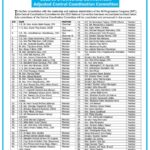
The coalition also expressed concern over what it described as contradictory political commitments to inclusion. They cited the recently released All Progressives Congress (APC) National Convention Committee list, which reportedly includes only three women out of 73 members. To the coalition, the figure symbolises a broader pattern of tokenism rather than genuine inclusion.
“This falls far below global benchmarks and even the party’s own constitutional commitments,” the groups noted, warning that such inconsistencies erode public trust and weaken democratic credibility.
Executive Director of the Electoral Hub, Princess Hamman Obels, broadened the discussion, emphasising that women’s exclusion cuts across party lines. She called on all political parties to adhere to their constitutions, which derive authority from the Nigerian Constitution and its guarantees of equality and representation.
She described the inclusion of only three women in a 73-member committee as unacceptable, rejecting tokenism and warning that persistent exclusion undermines democratic practice and public confidence.
The coalition also raised concerns about aspects of the recently passed Electoral Act Amendment Bill, particularly provisions that weaken mandatory electronic transmission of election results. According to the groups, electoral transparency and credibility are critical, especially for women who already face structural disadvantages in political contests.
In their concluding remarks, the women’s groups returned to a central truth that framed the entire briefing: democracy cannot be credible if it excludes women.
“Nigeria must choose inclusion, not convenience; reform, not retreat. The time to act is now,” the statement read.
For Nigerian women, the call is no longer about being invited into political spaces, but about claiming their rightful place in shaping the country’s future, before another election cycle passes them by.