
Pushes Climate Finance, Early Warning Systems, AI Technology and Stronger Meteorological Partnerships
By Chioma Vivian James
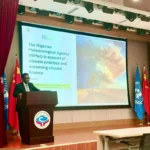
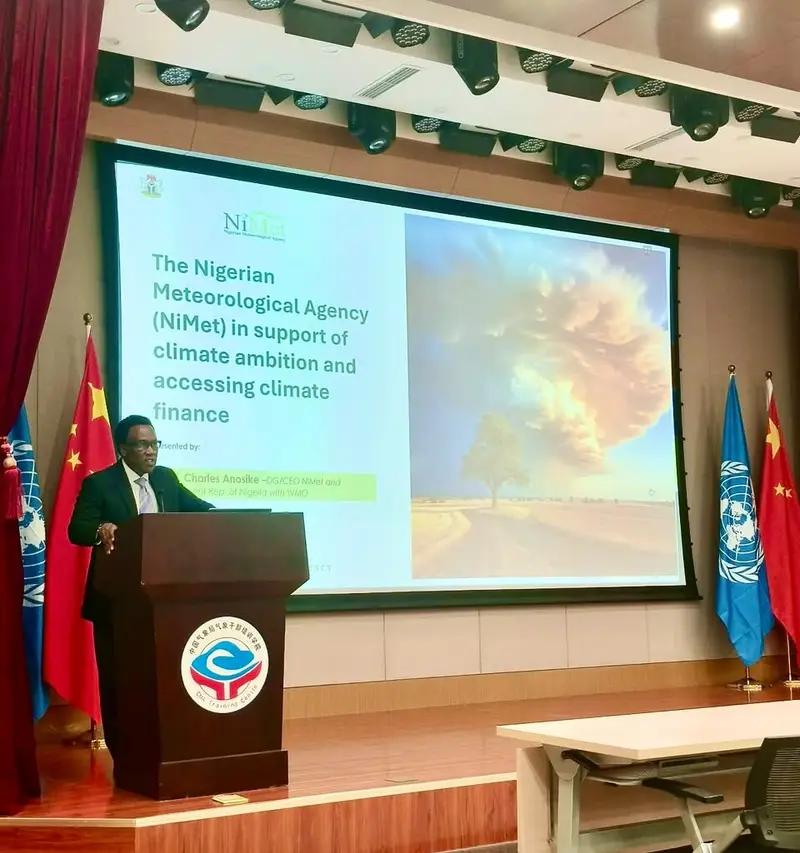
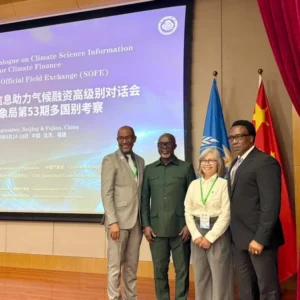
The Director-General and Chief Executive Officer of the Nigerian Meteorological Agency (NiMet), Prof. Charles Anosike, has represented Nigeria at a high-level World Meteorological Organization (WMO) dialogue in China, where global meteorological leaders examined strategies for unlocking climate finance, advancing climate science and strengthening early warning systems.
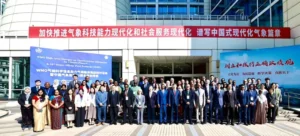
The WMO High-Level Dialogue on Climate Science Information for Climate Finance and the 53rd Senior Official Field Exchange (SOFE) were held from September 14 to 18, 2026, in Beijing and Fujian Province, China.
The high-level engagements brought together senior officials from National Meteorological and Hydrological Services (NMHSs), development partners and other stakeholders to explore practical approaches to improving access to climate finance while strengthening weather, climate and hydrological services.
At the heart of the discussions was the growing need for meteorological institutions to move beyond traditional technical assistance and develop stronger partnerships capable of attracting sustainable investment into climate and weather services.
According to the WMO, the high-level dialogue focused on strengthening the leadership and strategic capacity of NMHSs to mobilise climate finance and establish partnerships that can support long-term investments in meteorological and climate services.
 Participants also examined ways of aligning scientific and technical capabilities with risk-informed, people-centred early warning systems, particularly as communities around the world face increasing exposure to climate-related hazards.
A major theme was the need for stronger cooperation between meteorological institutions and multilateral financing organisations to ensure that climate information is translated into practical investments that can reduce risks and build resilience.
The discussions further emphasised strategic leadership, innovative financing, stronger institutional partnerships and practical pathways for transforming climate science and weather information into investments capable of protecting vulnerable communities.
Learning From China’s Early Warning Innovation
The 53rd Senior Official Field Exchange was held alongside the high-level dialogue, taking participants to Fujian Province for technical exchanges, field visits and peer-learning activities.
One of the major highlights was first-hand exposure to China’s Multi-hazard, Alert, Zero-gap and Universal (MAZU) platform, an artificial intelligence-driven meteorological early warning solution supporting the Early Warnings for All (EW4All) initiative.
The field exchange offered participating officials an opportunity to examine China’s approaches to disaster risk reduction and the deployment of emerging technologies to strengthen multi-hazard early warning systems.
The exposure was particularly significant against the backdrop of growing global efforts to ensure that people receive timely and actionable warnings before disasters strike.
 Nigeria’s Place in the Global Climate Conversation
For Nigeria, Prof. Anosike’s participation provided an opportunity to engage with international meteorological leaders and stakeholders on issues critical to the country’s climate resilience agenda, including climate finance, early warning systems, climate science, technological innovation and international partnerships.
The engagement also provided a platform for knowledge exchange on how meteorological institutions can strengthen their capacity to generate reliable climate information and translate scientific data into services that directly benefit communities, governments and other users.
As climate-related risks continue to place pressure on countries and communities, meteorological agencies globally are seeking stronger financing mechanisms and partnerships to modernise weather and climate services.
The WMO said the Beijing dialogue and Fujian field exchange were designed to strengthen cooperation among NMHSs, development partners, multilateral financing institutions and other stakeholders.
The overarching objective is to bridge the gap between climate science and investment by ensuring that reliable climate information contributes directly to better planning, stronger infrastructure, disaster preparedness and improved resilience.
For Nigeria, the engagement reinforces the strategic importance of modernising meteorological services and embracing innovative technologies capable of delivering timely and reliable early warnings to communities exposed to weather and climate-related hazards.
It also underscores the growing role of institutions such as NiMet in connecting scientific knowledge with national development, climate adaptation and disaster-risk reduction efforts.