

Lagos training equips PWDs with cyber-security knowledge, data protection skills and assistive technology tools for greater independence in the digital economy
By Chioma Vivian James
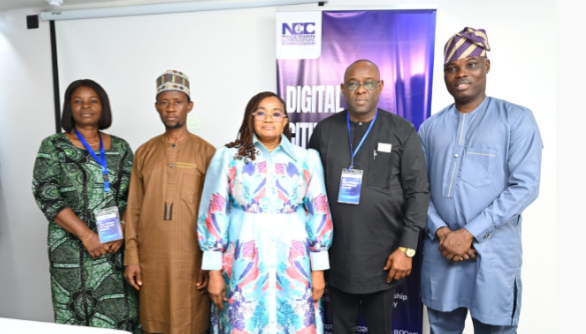
The Nigerian Communications Commission (NCC) has intensified efforts to promote inclusive digital participation by training more than 100 Persons with Disabilities (PWDs) in Lagos on digital skills, online safety and the effective use of assistive technologies.
The two-day training, held on September 9 and 10, 2026, focused on equipping participants with practical knowledge required to navigate the digital environment safely, confidently and productively.
The programme covered key areas including digital citizenship, cyber-security, data protection, online safety and the use of assistive technologies designed to make digital devices and services more accessible to persons with disabilities.
Participants were trained to identify and avoid online scams, protect sensitive personal information, safeguard their digital identities and adopt safer practices while using digital platforms and internet-enabled devices.
The training also introduced participants to accessibility tools, including speech-to-text technology, which can help persons with disabilities interact more effectively with digital devices and access online resources.
Speaking at the programme, the Executive Vice Chairman and Chief Executive Officer of the NCC, Dr Aminu Maida, said digital inclusion should go beyond providing access to internet connectivity to ensuring that persons with disabilities possess the skills, knowledge and confidence required to use technology safely and productively.
Maida, who was represented by the Director, Digital Economy Department, Helen Obi, stressed that technology has the potential to remove longstanding barriers faced by PWDs in education, employment, entrepreneurship and access to public services.
He described the participants not merely as beneficiaries of digital inclusion initiatives but as important contributors to Nigeria’s growing digital economy.
“You are not merely beneficiaries; you are important participants and contributors to Nigeria’s digital economy,” Maida told the participants.
The NCC chief executive emphasised the importance of creating a digital environment where persons with disabilities can participate meaningfully in the opportunities presented by technological advancement.
According to him, achieving genuine digital inclusion requires stronger collaboration among government institutions, technology companies, development partners and disability-focused organisations.
He called for greater cooperation to ensure that accessibility and inclusion are integrated into the design and development of digital products and services from the outset, rather than being treated as an afterthought.
The Lagos training forms part of a broader NCC programme designed to reach Persons with Disabilities across Nigeria’s geopolitical zones and strengthen their participation in the country’s digital transformation.
The initiative builds on other interventions by the Commission, including its E-Accessibility Project and support for research and development in assistive technologies.
Through such interventions, the NCC is seeking to expand opportunities for PWDs to acquire relevant digital competencies, improve their independence and take advantage of emerging opportunities in the digital economy.
The Commission maintained that disability should not become a barrier to learning, employment, entrepreneurship, communication or access to essential public and private services in an increasingly technology-driven society.
The latest training therefore represents another step towards building a more accessible and inclusive digital ecosystem in Nigeria, one in which persons with disabilities can develop skills, protect themselves online and participate fully in the opportunities created by digital technology.