

Chioma Vivian James
The Federal Road Safety Corps (FRSC) has reinforced its commitment to building a safer, smarter and technology-driven transportation ecosystem as the Corps Marshal, Shehu Mohammed, mni, joined the Speaker of the House of Representatives, Rt. Hon. Abbas Tajuddeen, on a strategic official visit to Cairo, Egypt, to advance the implementation of the Smart National Transport Databank Project.
The high-level engagement represents a major milestone in Nigeria’s journey toward digital transformation of the transport sector and demonstrates the Federal Government’s determination to leverage innovation, data intelligence and international collaboration to improve mobility, strengthen road safety administration and support sustainable national development.
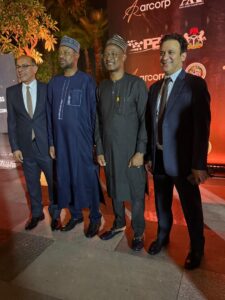
The visit followed the signing of a Memorandum of Understanding (MoU) between the Nigerian Institute of Transport Technology (NITT) and Asia Arab Investment (AAI) in Abuja on 15 June 2026. More importantly, it marked the transition of the project from the planning stage to active implementation, underscoring the readiness of key stakeholders to deliver one of the most ambitious transport modernization initiatives in Nigeria’s history.
The Nigerian delegation, led by the Speaker of the House of Representatives, Rt. Hon. Abbas Tajuddeen, included the Corps Marshal of the FRSC, Shehu Mohammed, mni; the Director-General and Chief Executive Officer of NITT, Dr. Bayero Salih Farah; the Permanent Secretary of the Federal Ministry of Transportation, Engr. Olufunso Olusesan Adebiyi; and other senior government officials.
At the heart of the initiative is the establishment of a comprehensive Smart National Transport Databank designed to provide reliable, integrated and real-time transport information across the country. The platform is expected to revolutionize transport planning, infrastructure development, regulatory oversight, enforcement operations, crash analysis and evidence-based policymaking.

For the FRSC, the project aligns perfectly with its strategic vision of deploying technology and intelligence-driven solutions to enhance road safety outcomes and save lives. By creating a centralized transport information ecosystem, the databank will strengthen operational efficiency, support predictive crash analysis, improve traffic management strategies and facilitate smarter deployment of personnel and resources.
Speaking on the significance of the initiative, Corps Marshal Shehu Mohammed described the Smart National Transport Databank as a transformative national asset capable of redefining transport governance and road safety management in Nigeria. He emphasized that accurate, accessible and integrated transport data will significantly improve decision-making processes and support the development of safer, more efficient transportation systems nationwide.
According to the Corps Marshal, the project embodies the future of transport administration, where innovation, data analytics and institutional collaboration drive policy formulation, operational effectiveness and public service delivery.
Another major highlight of the Cairo engagement was the unveiling of the proposed Driver Training and Development Centres to be established across Nigeria through a Public-Private Partnership involving ARCORP Egypt, FRSC and NITT. The centres are expected to serve as centres of excellence for driver education and professional development, helping to raise driving standards, strengthen capacity-building efforts and reduce road traffic crashes through improved driver competence.
The initiative is also expected to contribute significantly to the professionalization of the driving profession, equipping drivers with modern skills, safety consciousness and globally accepted best practices.
Reaffirming legislative backing for the initiative, Speaker Abbas Tajuddeen assured stakeholders of the National Assembly’s commitment to providing the necessary legal and policy support required for the successful implementation of the project. He described the Smart National Transport Databank as a strategic national investment with immense potential to accelerate economic growth, support digital transformation and strengthen critical infrastructure development.
Beyond the agreements signed and partnerships established, the Cairo mission symbolizes Nigeria’s broader commitment to embracing innovation and leveraging international cooperation to address transport challenges. It reflects a collective determination by government institutions and development partners to build a modern transport system powered by technology, data intelligence and global best practices.
As implementation progresses, the Smart National Transport Databank Project stands poised to become a cornerstone of Nigeria’s transport modernization agenda—one that promises safer roads, smarter mobility, improved service delivery and a more sustainable future for the nation’s transportation sector.