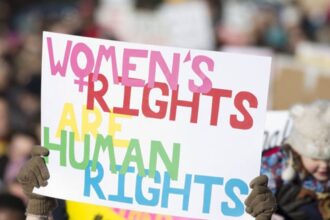

In Nigeria’s evolving democracy, political participation has increasingly become intertwined with financial capacity. While democracy promises equal opportunity, the practical realities of today’s political environment suggest otherwise particularly for women.
The financial implications of contesting elections in Nigeria are substantial. From purchasing nomination and expression of interest forms to funding campaigns, logistics, media visibility, security, and grassroots mobilization, the cost of running for office can be overwhelming.
For many Nigerian women who already face economic inequality, limited access to capital, and structural barriers within party systems, these financial demands create an uneven playing field.
This raises an urgent question: How do Nigerian women survive and thrive in today’s political climate?
The issue is not competence. Nigerian women have consistently demonstrated leadership across business, academia, civil society, and public administration.
The issue is lack of access to funding networks, access to political structures, and access to decision-making circles where endorsements and influence are shaped.
If women are to participate meaningfully and win, strategy must replace sentiment.
First, women must build strong coalitions across political parties, professional associations, and community networks. Collective influence reduces isolation and strengthens bargaining power.
Second, innovative and transparent fundraising models must be embraced. Cooperative funding platforms, grassroots donor engagement, and digital mobilization strategies can help bridge financial gaps.
Wealthy men and women should be willing to mentor and put in their finances in sponsoring qualified women who want to run for elections. This is in the spirit of this year’s theme for the International Women’s Day “Give to Gain”.
Third, there must be deliberate investment in political education and campaign capacity. Women aspiring to public office must be equipped with negotiation skills, media engagement strategies, policy knowledge, and electoral planning expertise.
Fourth, advocacy for systemic reform remains critical. Political parties and regulatory bodies must address prohibitive nomination fees, internal party barriers, and practices that indirectly exclude women from viable participation.
The conversation must move beyond representation as symbolism. Participation must be competitive. Engagement must be strategic. Winning must be intentional.
Nigeria’s democracy cannot mature without inclusive leadership. When women occupy decision-making spaces, governance becomes more responsive, policy outcomes more balanced, and national development more sustainable.
The path forward requires courage, organization, financial intelligence, and solidarity. Nigerian women must not merely observe the political process — they must shape it.
The time to navigate with strategy and lead with purpose is now.
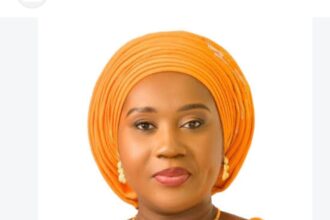
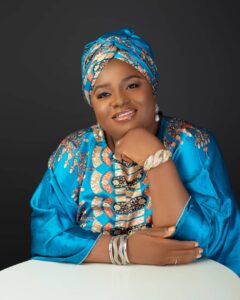
Ambassador Zainab Mohammed is a Pan-African Economic Transformation Advocate | Women & Girls Inclusion Champion.
Ambassador Zainab Mohammed Writes from Abuja.